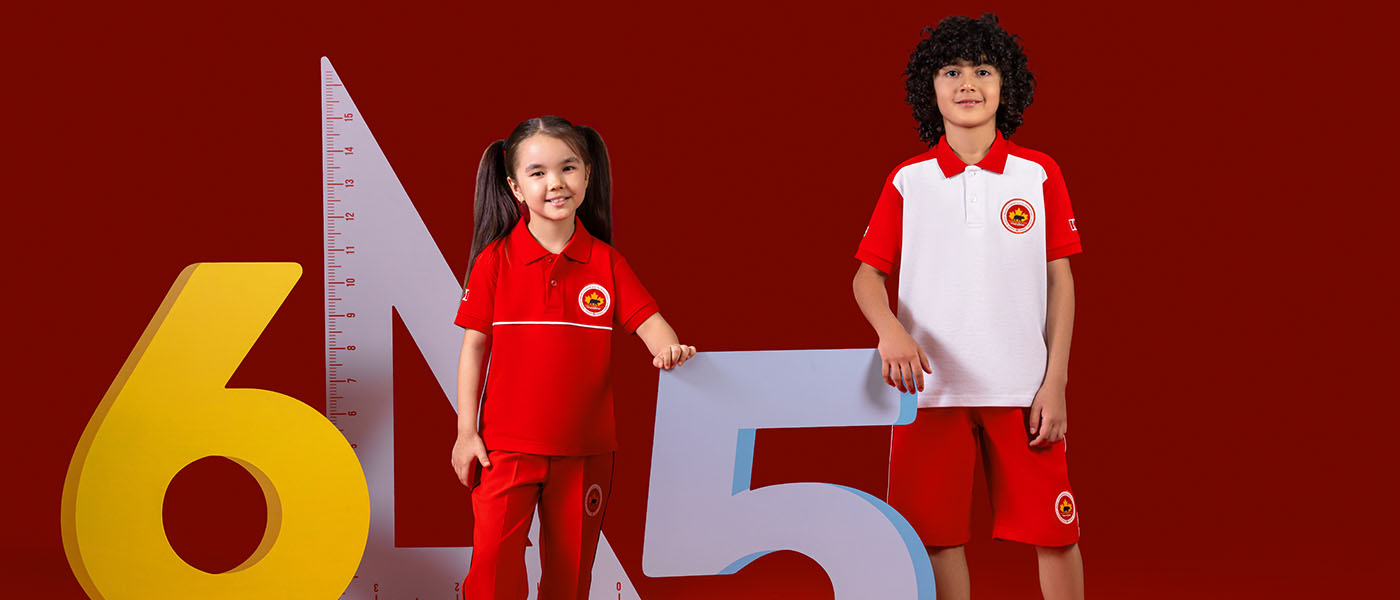
Here's the simple truth: an international school in Uzbekistan isn't just adding English classes to a regular schedule.
Real international schools follow complete global curriculums-Canadian, British, or International Baccalaureate systems. These aren't local programs translated into English. They're proven education methods used successfully around the world.
The teaching style is totally different too. Instead of memorizing facts for exams, kids learn by doing. They ask questions, solve problems, and think creatively. Teachers guide them through discovery rather than just lecturing.
Most importantly, children learn in English, not just about English. There's a huge difference. By using English all day for math, science, and art, kids become naturally fluent.
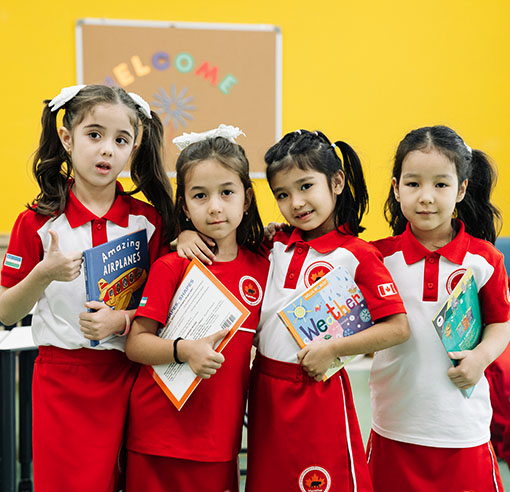
Let me tell you what parents tell me about why they chose international education.
English becomes easy, not forced. When your child spends the day learning in English at an international school in Uzbekistan, the language just clicks. Within a year, most kids chat in English as comfortably as Uzbek or Russian. No stress, no pressure—just natural learning.
Better thinking skills that last forever. International education teaches kids how to think, not what to think. They learn to solve problems creatively, analyze situations, and figure things out independently. These skills matter way more than memorizing facts.
Doors open for studying anywhere. Canadian or British education prepares kids for universities worldwide. When application time comes, your child already understands the system, the language, and the expectations.
Real exposure to different cultures. International schools bring together families from different backgrounds. Kids learn that there are many ways to see the world. This perspective becomes incredibly valuable as they grow up.
Different schools follow different programs. For young kids, preschool education in Uzbekistan through international programs should focus heavily on play-based learning.
Good programs let children explore, experiment, and discover. They learn through games and activities, not by sitting still at desks. This matches how young brains actually develop.
Ask which curriculum the school follows and why they chose it. Listen for real answers, not marketing talk.
Is the school accredited by international bodies? Are they part of a global education network? These things matter because they mean the school meets real standards and gets regular quality checks.
Talk to other parents if you can. What's their actual experience been like? Are their kids happy and learning? Sometimes honest parent feedback tells you more than any brochure.
You're not just choosing a building or a curriculum. You're choosing the people who'll spend hours every day with your child.
For preschool education in Uzbekistan, early childhood specialists are essential. Teaching three-year-olds requires completely different training than teaching teenagers. Make sure teachers understand how young children learn and develop.
Ask about teacher qualifications, training, and experience. The best schools invest heavily in their teachers because they know that's what actually matters.
Walk through the school. Does it feel warm and welcoming? Are classrooms bright and organized? Do you see spaces designed for different activities—reading corners, art areas, science zones, outdoor play?
For young children especially, check the preschool facilities separately. The furniture, play equipment, and spaces should all be sized and designed specifically for little ones.
Safety matters too. How secure is the campus? What happens during emergencies? How does drop-off and pick-up work? These practical details affect your daily life.
A teacher with 10 students can give real individual attention. A teacher managing 30 is basically doing crowd control.
For preschool education in Uzbekistan, look for ratios around 10 students per teacher or better. Your child needs teachers who actually know them—not just manage them.
This is where international schools truly shine. Your child needs strong English but should not lose their mother tongue.
Quality international schools in Uzbekistan teach primarily in English while supporting local language development. Kids maintain Uzbek or Russian through dedicated language classes and cultural activities.
Ask how they balance the languages. Good programs create genuinely bilingual children who think comfortably in both languages.
You need to know what's happening with your child—period.
Find out how often teachers update parents. Are there regular conferences? Can you easily reach teachers with questions? Do they share what kids are learning so you can support at home?
Some schools see parents as partners. Others see them as outsiders. You'll feel the difference quickly.
Let’s be honest about money. Quality international school education in Uzbekistan isn’t cheap. Trained international teachers, global curriculum support, and proper facilities all cost money.
But cheap often means corners cut somewhere important—unqualified teachers, outdated materials, or overcrowded classes.
Ask what’s included in the fees. Meals? Materials? Field trips? Some schools charge extra for everything while others bundle most expenses into tuition.
Think about value over decades, not just cost per year. The right education shapes your child’s entire future.
When you tour schools, bring these:
Listen for depth, clarity, and philosophy—Not marketing buzzwords.
For early years, play-based learning should be central. Children learn best through exploration, creativity, and meaningful interaction.
Ask about everything from campus security and emergency plans to hygiene, health checks, and sick-child policies.
Ask about formal training, certifications, and ongoing professional development. Quality teachers stay updated with modern teaching practices.
Good schools have clear transition programs—orientation days, staggered entries, emotional support, and careful observation during the first few weeks.
Seeing actual teaching in action tells you everything—classroom environment, teacher-child interaction, and overall energy.
Maple Bear Uzbekistan brings Canadian education methodology to Tashkent. Canada consistently ranks among the world's top education systems, and their approach emphasizes learning through discovery and play.
The bilingual immersion program means children learn naturally in English while maintaining their local language. They're not studying English—they're using it. That's how real fluency develops.
Teachers at Maple Bear receive specialized training in Canadian early childhood methods. They understand how children actually learn best and create classrooms where discovery feels natural.
The campus reflects international standards with safe, thoughtfully designed spaces for both learning and play. Everything is planned specifically around how children develop and thrive.
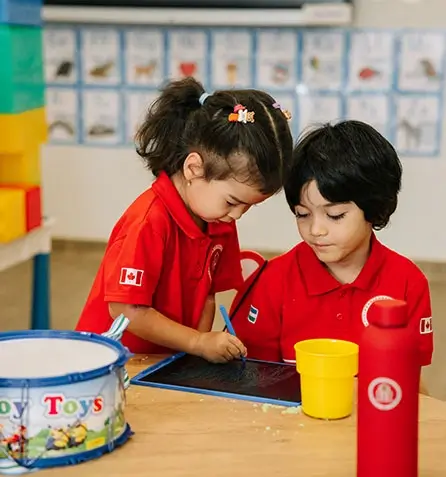
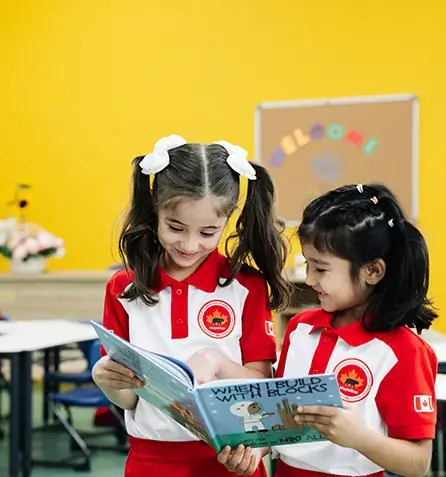
Choosing the right international school in Uzbekistan is one of the biggest decisions you'll make for your child. Take your time with it.
Visit multiple schools. Watch classrooms in action. Talk to teachers and other parents. Notice how you feel in each space and how your child responds.
Some kids love busy, energetic environments. Others thrive in quieter, more structured settings. The "best" school is the one that fits your individual child.
Starting preschool education in Uzbekistan through a quality international program gives children an incredible foundation. They grow up bilingual, think globally, and build skills that serve them forever.
The investment you make now pays back through their entire life—better opportunities, stronger skills, and the confidence to succeed anywhere in the world.
They use proven global curriculums, teach in English (not just teach English), and focus on critical thinking over memorization.
Canadian and IB programs excel with early learners through play-based, discovery-driven methods that match how children naturally learn.
Quality education requires investment, but considering lifelong benefits like bilingual fluency and global opportunities, most families find it worthwhile.
Ages 3–4 are ideal for preschool education in Uzbekistan international programs. Starting early means natural language absorption and bilingual development.
Quality international schools in Uzbekistan maintain local language instruction alongside English, helping children become truly bilingual while staying connected to both cultures.